Turkey's First Men's Health Centre
HPV and Genital Wart Treatment in Men
Assoc. Prof. Muhsin BALABAN
After graduating from Marmara University Faculty of Medicine (English programme), Assoc. Prof. Muhsin Balaban completed his urology residency at Kartal Dr. Lütfi Kırdar Training and Research Hospital.
He spent three months in the United States at the Cleveland Clinic, Albert Einstein College of Medicine and Memorial Sloan-Kettering hospitals to broaden his knowledge and experience.
Since 2014 he has worked intensively on male reproductive health: microscopic varicocele surgery, micro-TESE, sperm-enhancing treatments, azoospermia, erectile dysfunction and its treatments. In 2018 he began his academic work as a lecturer at Biruni University Faculty of Medicine and Beykent University. In 2019 he received one month of intensive training in azoospermia and varicocele surgery at the ProCrea Infertility Center in Switzerland and at the San Carlo Clinic of the University of Milan, Italy, under Prof. Dr. Giovanni Maria Colpi.

Men's Health Centre
Founded in 2019 by Assoc. Prof. Muhsin BALABAN exclusively for the diagnosis and treatment of male reproductive health conditions. Solutions at international standards are offered with the latest technological equipment for the treatment of men after low sperm count, azoospermia or failed IVF attempts, and for the diagnosis and treatment of HPV.
Call now: +90 532 450 05 09
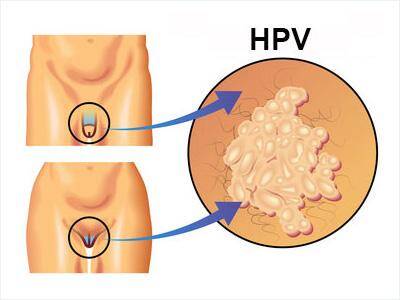
What Are the Symptoms of HPV in Men?
Symptoms of HPV in men usually appear in the genital area. The great majority of men with HPV show no symptoms or health problems at all. Condyloma lesions, known as warts, can appear in areas of sexual contact such as the penis, scrotum, groin, inner thighs or anus, and also in the head, neck and oral region where contact may occur during intercourse. These warts may appear weeks or even months after sexual contact with an infected person. When they start to appear they may be seen singly or in groups. When they cluster or start to grow they resemble a cauliflower. They can be colourless, or brownish or reddish. They are painless and somewhat firm.
In men, warts in the penile, anal, oral, head and neck regions may show signs that raise suspicion of cancer. These include bleeding, pain and itching in the anus and enlarged lymph nodes around it; discolouration of the penis, tissue growth on the penis and sores on the penis; and persistent burning in the mouth and throat, earache that does not go away, a persistent cough, weight loss and long-lasting hoarseness.
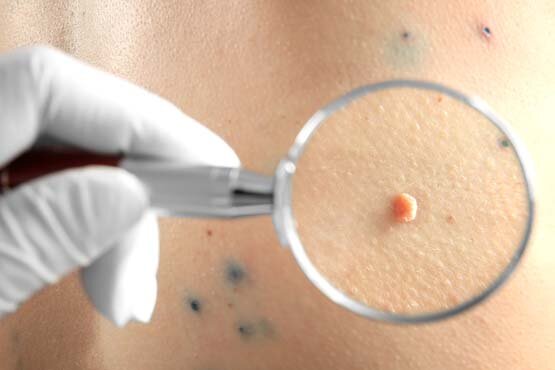
How Is HPV Treated in Men?
HPV treatment in men is planned to remove the warts from the body and to strengthen the immune system. Treatment begins with destroying the warts. Because destroyed warts carry a risk of recurrence, treatment continues with immune-boosting therapies and precautions in daily life such as avoiding multiple sexual partners, using condoms during intercourse and paying attention to personal hygiene. If the process does not proceed this way, the destroyed HPV warts may reappear.
Genital warts in men can be removed with medication, surgery, ablation (burning) or freezing. There is no difference in effectiveness between these methods.
Many men are not sufficiently aware that genital warts can lead to serious health problems requiring treatment. Awareness of this issue is very important both for the person's own health and for the health of those they are in contact with. Another important fact men should know about HPV is that the rate of HPV positivity in men found to be infertile is five times higher than in fertile men; in other words, HPV is a cause of infertility.
The HPV vaccine is highly effective in men, as in women, for preventing the risk of contracting HPV and the cancers it causes. When the HPV vaccine is given to people who have not yet encountered the human papillomavirus — for example children — its protective effect is very high. For these reasons, having the HPV vaccine at a young age greatly reduces the individual's risk of encountering this infection, and many problems that could arise in the future are prevented well in advance.
Apart from vaccination, the precautions men take in their sex lives are also important. Avoiding multiple sexual partners and using condoms are important measures against HPV, but it should be borne in mind that condom use cannot completely prevent HPV transmission.
Finally, if one partner has an HPV infection the risk of transmission to the other is very high; men having an HPV DNA test, checking regularly for symptoms, keeping to a single partner and using condoms are important for preventing health problems not only for themselves but also for their spouses and partners.
For detailed information and appointments about HPV and genital warts
What Are the Types of HPV Treatment?
A person infected with HPV is informed by the doctor about the treatment process. Some of the treatment methods for removing warts from the body are as follows:
- Cautery: a pen-like instrument with a needle tip. An electric current is passed through it on contact with the wart area, causing the warts to dry out.
- Radiofrequency: with advancing technology its use in medicine has become widespread, and it is also used to destroy warts. HPV wart treatment with radiofrequency is similar to cautery treatment.
- Cryotherapy: the name given to the freezing procedure. In freezing applied to the wart area at very low temperatures, the warts swell slightly and then dry up and fall off.
- Surgery: under local anaesthesia the warts are excised.
- Keratolytic agents: methods that dry out the warts together with the HPV virus inside them.