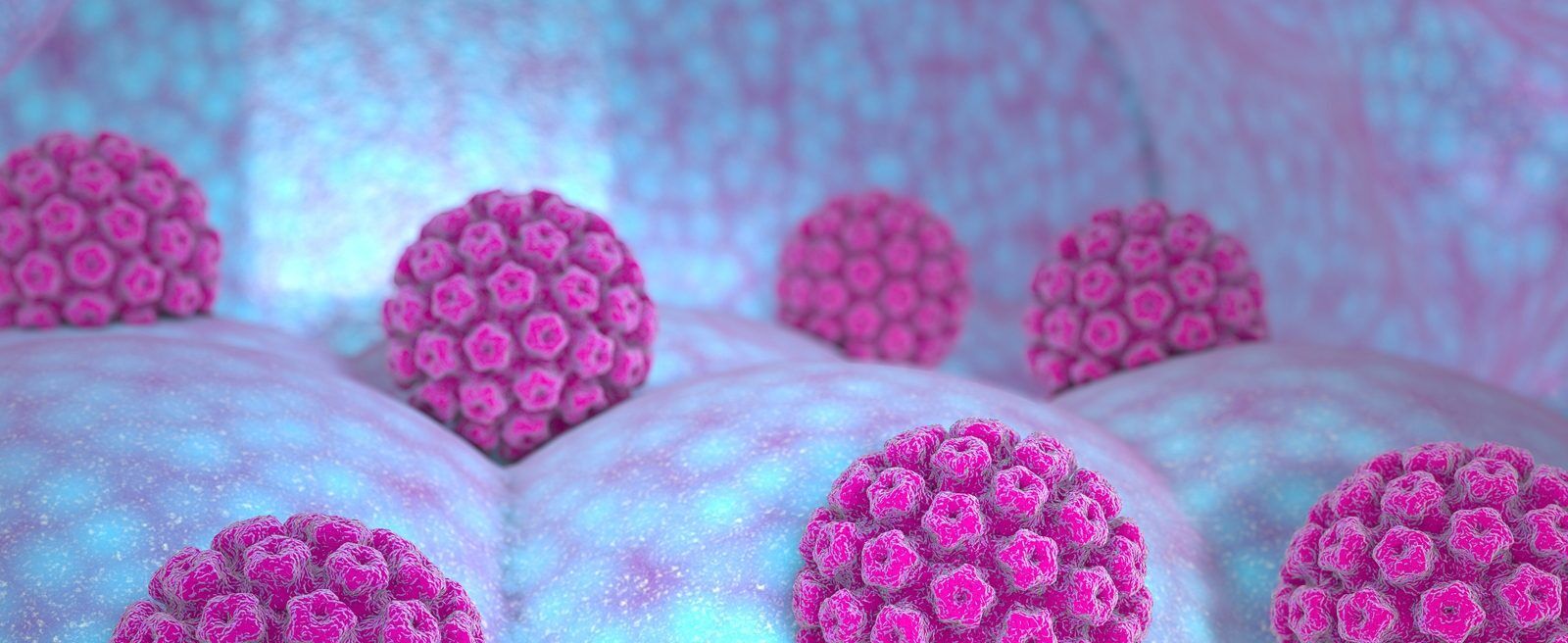

“Human papillomavirus” (HPV) is a virus that infects the genital area of both men and women and causes wart-shaped growths called condylomas. Once HPV enters the body it settles inside the cells and leads to periodically recurring infections. Although HPV and the genital wart infection it causes belong to the group of sexually transmitted diseases, it is known that, very rarely, the virus can also be transmitted outside sexual intercourse.
The virus is transmitted by skin-to-mucosa contact between an infected area of one person, such as the penis or the female external genitalia, and the genital area, mouth or anus of another person.
HPV is also known to cause penile cancer in men. Men are usually carriers, so protection is just as important for them as it is for women. Genital warts pose significant risks for male patients too and, once detected, should be treated without losing time.
The incubation period varies according to the HPV type. Following an incubation period of between 2 months and 6 years after transmission, warts of varying number and size (genital warts, condyloma lesions) appear in the genital area, anus or mouth of the woman or man. In other words, some people develop warts 2 months after acquiring the virus, while in others the virus gives no sign for years and may appear as genital warts, for example, 5 years later. It can spread to the mouth through oral sex, and condyloma lesions can appear around or inside the anus through anal sex. Condoms do not provide full protection, which is why warts can appear not only on the penis but across the whole genital area, and may even spread towards the abdomen, groin and anal region. In short, the condom that protects against many sexually transmitted diseases is not fully protective against HPV.
HPV, which can cause penile cancer in men, may also lead to cancer of the anus and rectum (the last part of the large intestine) when it settles around the anal region. In addition, especially through oral sex, HPV can cause cancers of the nasopharynx, tonsils, tongue and larynx in men, and in some cases oesophageal cancer.
HPV in men must always be treated. The best method for treating condylomas in men is ablation (burning). Depending on the doctor's choice, the lesions are ablated by cauterisation or laser. Besides burning, treatment options include freezing the warts, surgical removal and, for small warts, special topical creams. Among the HPV treatment options for men, ablation is the most permanent method, with fewer recurrences.